
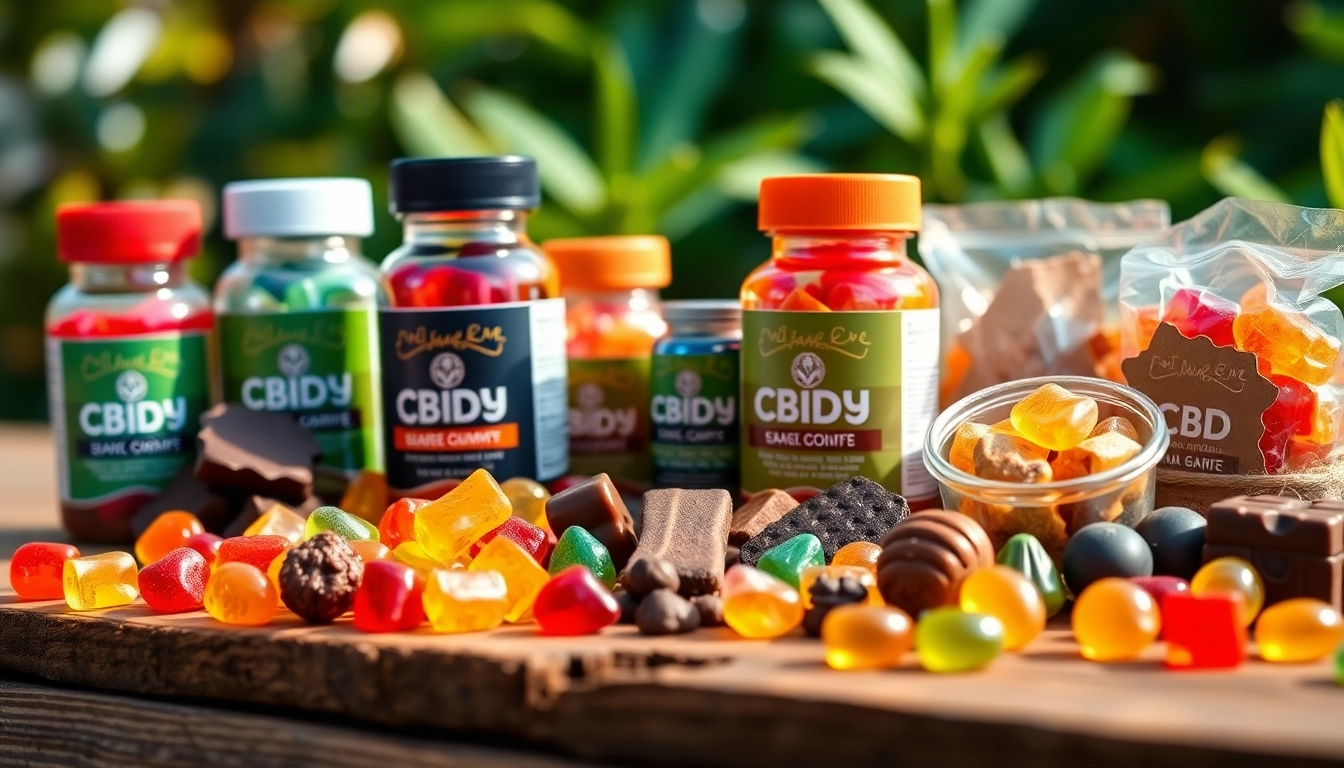
Understanding Wholesale CBD Edibles
What Are Wholesale CBD Edibles?
Wholesale CBD edibles refer to a wide range of consumable products infused with cannabidiol (CBD), a non-psychoactive compound derived from hemp. These edibles can include gummies, chocolates, baked goods, and beverages, among others. What sets wholesale CBD edibles apart is their availability in bulk for retailers and businesses looking to stock their shelves with an assortment of CBD-infused treats without incurring exorbitant costs. When purchasing wholesale cbd edibles, businesses can benefit from lower prices, allowing them to maintain competitive retail pricing while still achieving healthy profit margins.
Benefits of Selling Wholesale CBD Edibles
As the CBD market continues to grow, the benefits of selling wholesale CBD edibles are becoming increasingly evident. Firstly, these products can attract a diverse customer base, including health-conscious individuals and those seeking natural alternatives for wellness. Selling in bulk offers retailers advantageous pricing, which can directly correspond to higher profit margins. Moreover, incorporating wholesale CBD edibles into a product lineup provides an opportunity to increase customer retention rates. Consumers appreciate the convenience and flavor of edibles, often returning to their favorite brands for repeat purchases.
Market Trends in Wholesale CBD Edibles
The landscape for wholesale CBD edibles is continually evolving, shaped by changes in consumer preferences and regulatory developments. Healthy snacking trends have pushed the demand for low-sugar and organic options within the edibles market. Additionally, the rise in popularity of alternative cannabinoids, such as Delta-8 THC and CBG, is influencing product offerings, establishing a competitive edge for businesses that are quick to adapt. Online shopping remains a significant driver of growth, with consumers increasingly seeking the convenience of ordering CBD edibles directly from retailers for home delivery.
Choosing Quality Suppliers
Identifying Reliable Providers of Wholesale CBD Edibles
When venturing into the wholesale CBD edibles market, selecting a reliable supplier should be a top priority for any business. A trustworthy provider should offer transparency in sourcing and provide lab test results to verify the purity and potency of their products. Attending trade shows and industry events can be beneficial for networking with potential suppliers and their reputations within the market. Additionally, reading customer reviews and testimonials can provide insights into a supplier's reliability and product quality.
Evaluating Product Quality and Safety Standards
Quality control is paramount in the CBD edibles industry, but it can differ significantly between suppliers. Businesses must ensure that products adhere to safety standards by requesting Certificates of Analysis (COAs) for each batch. These documents detail the cannabinoid profile, contaminant testing, and compliance with legal specifications. Establishing robust product quality checks helps build consumer trust and protect against legal repercussions while promoting a brand's reliability to customers.
Negotiating Competitive Pricing for Wholesale CBD Edibles
Pricing strategies for wholesale CBD edibles should align with market conditions and competitor offerings. Businesses must approach negotiations with potential suppliers equipped with knowledge of prevailing rates in the market. Establishing long-term partnerships may also yield better pricing as wholesalers would be more inclined to offer discounts for bulk purchases. Utilizing pricing tables and calculating potential profit margins can help in crafting compelling proposals for negotiations, ensuring profitability without compromising product quality.
Regulatory Considerations
Legal Framework Surrounding Wholesale CBD Edibles
The legal framework governing wholesale CBD edibles varies by region and is a crucial factor for businesses to remain compliant. The 2018 Farm Bill legalized hemp-derived CBD at the federal level in the United States; however, states may impose their own regulations. Understanding the legalities surrounding the sourcing, production, and sale of CBD edibles is essential to avoid potential fines or business disruptions.
Labeling Requirements for Wholesale CBD Edibles
Proper labeling of wholesale CBD edibles is not only a regulatory requirement but also a significant aspect of consumer trust. Product labels must include information about the CBD content, serving size, ingredient list, potential allergens, and accurate health claims. More recently, the FDA has been enforcing strict compliance regarding misleading labels, which makes it imperative for suppliers to accurately represent their products with clear and comprehensive labeling.
Compliance with Food Safety Regulations
As consumables, wholesale CBD edibles must adhere to food safety regulations outlined by the FDA or local authorities, depending on the state. This compliance ensures that all ingredients used in the manufacturing process meet food-grade standards and that the production facilities adhere to Good Manufacturing Practices (GMP). Regular audits and inspections are recommended to maintain compliance, which protects both the business and its consumers from health risks associated with unsafe food production practices.
Marketing Wholesale CBD Edibles Effectively
Developing an Engaging Brand Message
To stand out in the competitive wholesale CBD edibles market, businesses need to create a compelling and engaging brand message. This message should convey the unique aspects of their products, such as sourcing methods, health benefits, and quality standards. Storytelling techniques can play a vital role in connecting with consumers on a personal level, establishing an emotional bond that can lead to increased loyalty and brand advocacy.
Using Social Media for Promotion of Wholesale CBD Edibles
With the ever-growing influence of social media, leveraging platforms like Instagram, Facebook, and Pinterest can provide significant marketing advantages. Creative visuals of the products, engaging content about CBD benefits, and informative posts can attract a wide audience. Paid advertising campaigns on these platforms can also target specific demographics and generate interest in wholesale CBD edibles, ultimately driving traffic to retail outlets.
Creating Attractive Packaging that Sells
Packaging is a crucial factor for any product's success, particularly in the edible market. Eye-catching, informative, and eco-friendly packaging can significantly influence consumer purchasing decisions. It's essential to ensure that packaging not only preserves the quality of the edibles but also effectively communicates brand values and product benefits. Furthermore, incorporating QR codes that link to product information or customer reviews can enhance the customer experience.
Measuring Success and Adjusting Strategies
Key Performance Indicators for Wholesale CBD Edibles
Assessing the success of wholesale CBD edibles requires identifying key performance indicators (KPIs) that align with business goals. Metrics could include sales volume, inventory turnover rates, and customer acquisition costs. Establishing a system to measure and analyze these indicators regularly allows businesses to adjust their strategies accordingly, ensuring a data-driven approach to growth.
Gathering Customer Feedback and Insights
Customer feedback serves as a vital tool for improving product offerings and addressing any potential shortcomings. Implementing feedback systems, whether through surveys or direct communication channels, can provide businesses with insights into consumer preferences and satisfaction levels. This feedback loop is essential for staying responsive to market changes and evolving consumer demands.
Adapting Business Strategies Based on Market Trends
Finally, the ability to adapt to market trends is critical for long-term success in selling wholesale CBD edibles. By consistently analyzing industry developments, monitoring competitors, and listening to customer feedback, businesses can remain agile. Experimenting with new product lines, promotional strategies, and market segment targeting can help capitalize on emerging trends, ensuring relevance in a dynamic marketplace.