
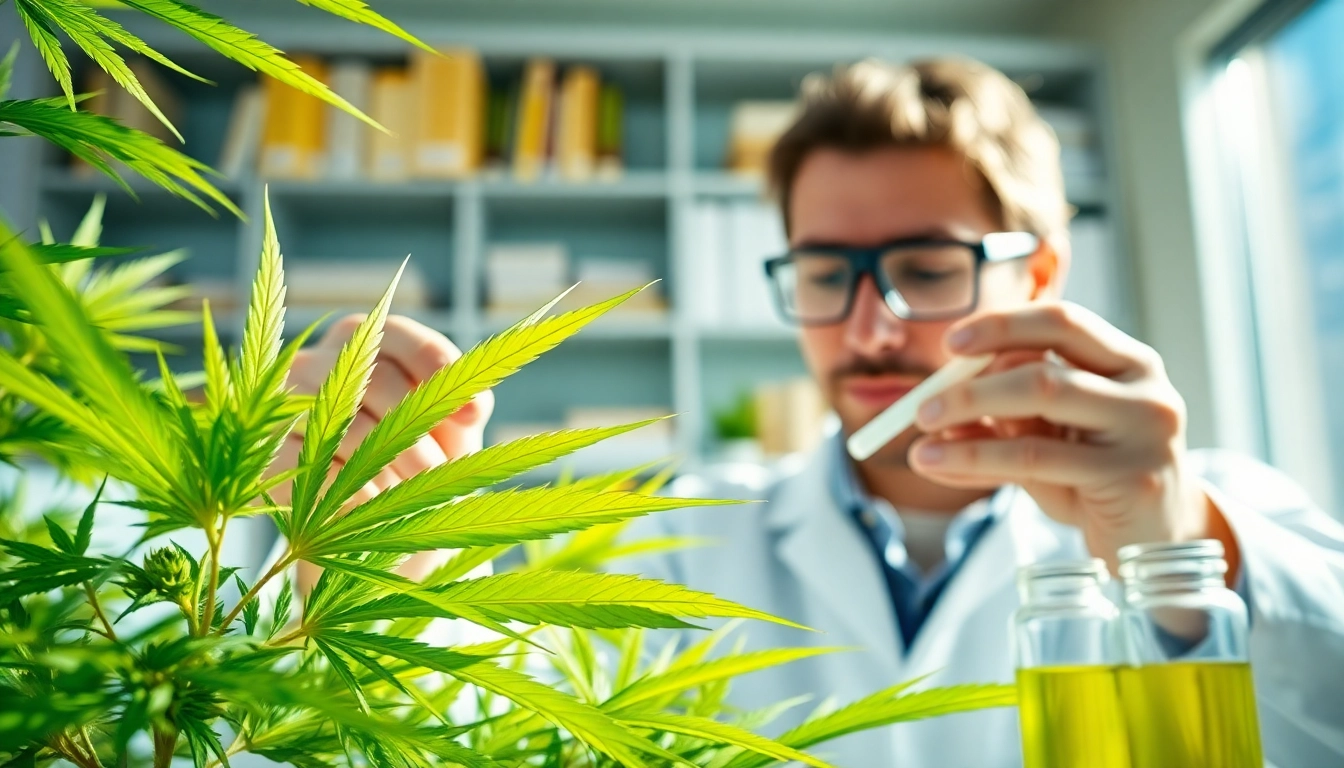
Understanding CBD: Origins and Composition
What is CBD and How is it Derived?
Cannabidiol, or CBD, is a non-intoxicating compound found in the cannabis plant. Unlike its more famous counterpart, tetrahydrocannabinol (THC), CBD does not produce the high associated with cannabis use. Primarily derived from industrial hemp, CBD is celebrated for its therapeutic potential without the psychoactive effects that THC brings. The non-psychoactive nature of CBD has sparked widespread interest in its use as a wellness aid.
CBD is extracted from the flower, leaves, and stalks of hemp plants. The extraction process typically involves methods such as CO2 extraction, which ensures a high purity rate and retains beneficial terpenes and cannabinoids. This meticulous extraction process not only preserves the integrity of CBD but also enhances its potential health benefits, making it a popular choice among consumers. Many who seek natural alternatives for various ailments often turn to CBD for its wide range of applications.
The Chemical Structure of CBD Explained
The chemical structure of CBD is characterized by its molecular formula, C21H30O2. This means it consists of 21 carbon atoms, 30 hydrogen atoms, and 2 oxygen atoms, forming a dynamic configuration that plays a crucial role in how CBD interacts with the body. The lack of psychoactive properties of CBD is attributed to its specific binding affinity to cannabinoid receptors, particularly CB1 and CB2 receptors within the endocannabinoid system.
Understanding the structure of CBD can help elucidate its effects on health. Unlike THC, which binds directly to CB1 receptors in the brain, CBD is thought to work by modulating this interaction. It also influences other receptor systems, including serotonin and vanilloid receptors, which has led to its investigation for various health benefits, including anxiety relief and pain management.
Cultivation and Processing of Hemp for CBD
The cultivation of hemp for CBD extraction is a meticulous process that requires adherence to specific agricultural practices to ensure high-quality yields. Hemp is naturally resilient, requiring less water and no pesticides, which positions it as a sustainable crop option. Farmers are increasingly recognizing the value of using organic methods to enhance the potency and efficacy of their CBD products.
After harvest, the hemp undergoes a rigorous processing stage to extract CBD. This stage includes drying, curing, and then extracting the oil using various methods, primarily CO2 extraction. This method is favored due to its ability to produce high purity oils free from harmful solvents, which not only protects the consumer but also aligns with the growing demand for clean, sustainable products in the market.
The Health Benefits of CBD: Evidence and Insights
Relief from Anxiety and Stress with CBD
One of the most researched areas of CBD application is its potential for alleviating anxiety and stress-related disorders. Clinical studies have indicated that CBD may help mitigate feelings of anxiety by affecting serotonin receptors in the brain. Users often report a sense of calm and reduced stress after using CBD products.
Evidence shows that when administered, CBD can lower the physiological effects associated with anxiety, such as an increased heart rate. This has prompted many mental health professionals to consider CBD as a supplementary treatment for those dealing with anxiety disorders, providing an alternative to traditional pharmacotherapy.
CBD in Pain Management: What Research Shows
Another prominent application of CBD is its use in pain management. Research has demonstrated that CBD possesses anti-inflammatory properties, helping to alleviate symptoms of chronic pain, migraines, and post-operative discomfort. By interacting with the endocannabinoid system and influencing endorphin production, CBD can provide relief without the side effects often associated with traditional pain medications.
Studies have shown promising results, particularly in conditions like arthritis and neuropathic pain. The compound has been reported to reduce inflammation and, as a result, the pain associated with these conditions, further solidifying its role as a viable option in pain management therapies.
Potential Neuroprotective Properties of CBD
Recent studies have indicated the potential neuroprotective properties of CBD. Research suggests that CBD may aid in protecting neurons from degeneration, which has significant implications for neurological diseases such as epilepsy, multiple sclerosis, and even Alzheimer's disease.
In particular, CBD has garnered attention for its role in treating epilepsy, with clinical trials showing considerable improvement in seizure frequency among participants. These findings indicate a promising avenue for future research as the quest to uncover more therapeutic uses for CBD continues.
How to Properly Use CBD Products: Guidelines and Tips
Selecting the Right CBD Product for Your Needs
With an abundance of CBD products available in the market, selecting the right one can be a daunting task. It is essential to determine the appropriate type of CBD product based on individual needs. CBD is available in various forms, including oils, tinctures, capsules, edibles, topicals, and vapes. Each form serves a different purpose and delivery method, catering to diverse preferences and requirements.
For instance, those looking for immediate relief may opt for vapes or tinctures, while individuals seeking prolonged effects might prefer capsules or edibles. Additionally, understanding the differences between full-spectrum, broad-spectrum, and isolate CBD products can help consumers choose products that align with their wellness goals.
Dosing CBD: Finding Your Ideal Amount
Determining the right dosage is crucial for maximizing the benefits of CBD. Individual needs will vary based on factors such as body weight, metabolic rate, and the specific condition being addressed. It is generally recommended to start with a low dose and gradually increase until the desired effects are achieved.
Many experts suggest beginning with a dosage of 5-10 mg of CBD per day, then monitoring how the body responds. From there, adjustments can be made based on personal experience, keeping in mind that it may take a few weeks to find the optimal dosing level for each individual.
Possible Side Effects and Considerations for CBD Use
While CBD is often well-tolerated, it is not without potential side effects. Commonly reported side effects include dry mouth, dizziness, changes in appetite, and fatigue. These side effects can vary in intensity among individuals, which underscores the importance of finding a suitable dosage.
Furthermore, individuals considering CBD should consult with a healthcare professional, particularly if they are taking other medications. CBD may interact with certain pharmaceuticals, which could lead to unintended consequences. Understanding these considerations is vital in ensuring safe and effective CBD product usage.
Current Trends in CBD Research and Development
Innovations in CBD Extraction and Purification
The landscape of CBD extraction and purification continues to evolve, with ongoing advancements aimed at improving efficiency and effectiveness. Innovations in techniques such as ethanol extraction, hydrocarbon extraction, and advanced chromatography are being developed to enhance purity and yield. High-performance liquid chromatography (HPLC) is also gaining popularity, offering precise measurement of CBD content while stripping away unwanted compounds.
These advancements not only ensure consumers receive high-quality products but also facilitate the creation of novel formulations that harness the synergistic effects of cannabinoids and terpenes, promoting a more comprehensive range of benefits.
Exploring New Applications of CBD in Therapeutics
As research progresses, new therapeutic applications for CBD are emerging, creating opportunities for enhanced treatment options in various medical fields. Areas under investigation include dermatology, oncology, and gastroenterology, as scientists delve into how CBD might alleviate symptoms associated with skin conditions, cancer-related pain, and digestive disorders.
This growing body of research highlights the versatility of CBD, suggesting that its benefits may extend far beyond current mainstream applications. This potential encourages the scientific community to explore further, seeking solutions that can improve quality of life for those dealing with chronic health challenges.
The Future of CBD: Legal and Market Perspectives
The legal landscape surrounding CBD continues to evolve, reflecting growing acceptance and demand. Regulatory frameworks vary significantly across countries, impacting market growth and product availability. In the United States, the passage of the 2018 Farm Bill legalized the cultivation of hemp, paving the way for a burgeoning industry.
Market analysts predict rapid growth in the CBD sector, as consumer interest in wellness and natural alternatives rises. Industries such as cosmetics, food and beverage, and pharmaceuticals are beginning to explore ways to incorporate CBD, making this an exciting time for innovation and public accessibility to CBD products.
Integrating CBD into Everyday Life: Practical Advice
CBD in Food and Beverages: Trends to Explore
The integration of CBD into food and beverages is one of the most popular trends. From CBD-infused coffee and cocktails to edibles like gummies and chocolates, the culinary possibilities seem endless. These products not only offer a novel way to consume CBD but also create unique flavor experiences.
Brands that create foods with CBD focus on sourcing high-quality hemp to ensure their offerings cater to health-conscious consumers interested in the benefits of CBD while enhancing their meals or social experiences.
Using CBD for Pets: What You Should Know
As the popularity of CBD has grown, many pet owners are curious about incorporating CBD into their pets' routines. Preliminary studies suggest that CBD may help manage anxiety, pain, and certain health issues in pets, much in the same way it does for humans.
However, pet owners should exercise caution and consult with a veterinarian before introducing CBD into their pet’s regimen. Proper dosage and product selection are paramount to ensure the safety and well-being of animals, and not all human CBD products are suitable for pets.
Real-Life Testimonials: Transformative Experiences with CBD
Many individuals have shared their transformative experiences with CBD, underscoring its impact on daily life. From chronic pain management to anxiety relief, these testimonials serve as compelling evidence of CBD's potential. Personal stories often highlight not just the alleviation of symptoms but an overall improvement in quality of life and well-being.
As awareness and understanding of CBD grow, it is likely that more people will seek out CBD as a holistic alternative aimed at improving their health and happiness.