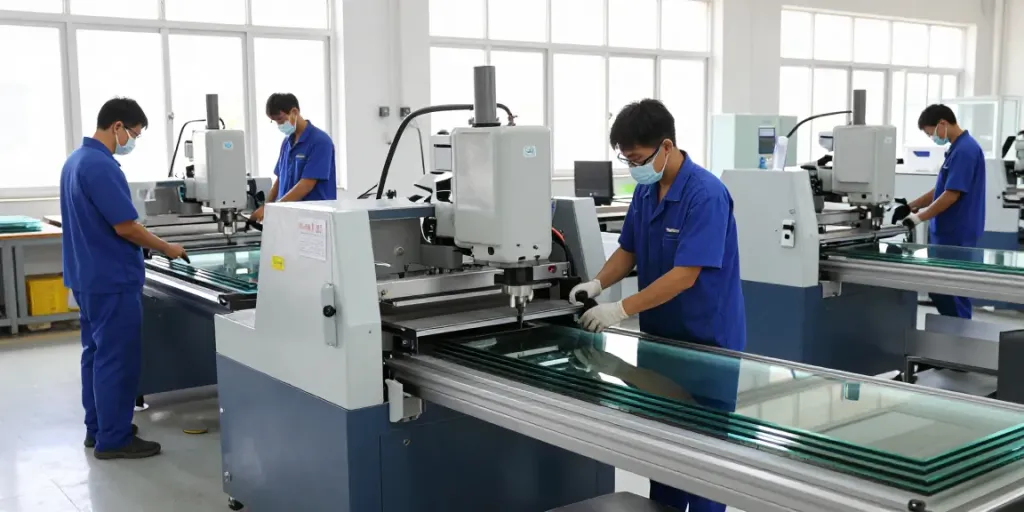
Understanding the Glass Machinery Industry
The glass machinery industry is a critical component of the manufacturing sector, playing a vital role in producing high-quality glass products for various applications, from construction to automotive. With increasing demand for advanced manufacturing techniques and automation, businesses are investing heavily in efficient glass processing machines. As a result, understanding the landscape of glass machine suppliers is essential for manufacturers looking to optimize their production capabilities.
Overview of Glass Machine Suppliers
Glass machine suppliers range from small manufacturers to large multinational corporations that produce a variety of equipment tailored to the needs of the glass industry. These suppliers typically offer machines designed for specific functions, such as cutting, drilling, washing, and polishing glass. Selecting the right supplier can significantly impact production efficiency, product quality, and overall business performance.
Key Machine Types and Their Functions
Different types of glass machines serve unique functions in the manufacturing process. Here are some key categories:
- Glass Cutting Machines: These machines enable precise cutting of glass sheets to specified dimensions, optimizing material usage and minimizing waste.
- Edge Polishing Machines: These machines provide a flawless finish to the edges of glass panels, which is crucial for aesthetic and safety considerations.
- Washing Machines: Essential for maintaining cleanliness, glass washing machines remove impurities and ensure that the glass is ready for further processing or installation.
- Insulating Glass Production Lines: Specific to manufacturing insulated glass units (IGUs), these lines streamline the production process and enhance energy efficiency in buildings.
- Glass Laminating Machines: These machines bond layers of glass with interlayers, providing safety and sound-dampening benefits.
- Glass Drilling Machines: Used to create holes in glass for various purposes, including mounting and assembly.
- Glass Sandblasting Machines: Employed for decorative finishes, these machines etch designs onto the surface of the glass.
Importance of Quality and Reliability in Machinery
Investing in high-quality glass machinery is crucial for manufacturers. Reliable machines reduce downtime, improve safety, and enhance product quality. Moreover, the longevity of equipment depends significantly on its build quality and maintenance practices. Suppliers that prioritize quality assurance often provide more extended warranties and support, which can lead to lower operational costs over time.
Choosing the Right Glass Machines for Your Business
When selecting glass machinery for your business, several factors come into play. Understanding these elements will help in making informed decisions that align with your production needs and budget constraints.
Factors to Consider When Selecting Suppliers
Choosing the right supplier involves evaluating several key factors:
- Reputation: Research the supplier's history and customer feedback. Established suppliers with a strong reputation are more likely to deliver reliable products.
- Product Range: Ensure that the supplier offers a comprehensive range of machinery that addresses all your glass processing needs.
- Technical Support: Assess the quality of technical support and service offered, including training for equipment use and maintenance.
- Pricing: Compare pricing structures among different suppliers, keeping in mind that the cheapest option may not always be the best in terms of quality and service.
Common Challenges Faced by Manufacturers
Manufacturers in the glass industry often face challenges such as:
- Equipment Downtime: Malfunctions can halt production, causing delays and financial losses.
- Technological Adaptation: Keeping up with advancements in glass machinery can be overwhelming for some manufacturers.
- Supply Chain Issues: Delays in obtaining critical parts and equipment can impact operations significantly.
Essential Features of High-Quality Glass Machines
High-quality glass machines should possess several essential features:
- Precision: Machines must offer high precision for accurate cuts and finishes.
- Durability: The design and materials used should ensure long-lasting performance, even under heavy usage.
- User-Friendly Controls: Advanced, intuitive control systems can reduce the learning curve for operators.
- Energy Efficiency: Machines that consume less energy can help lower operational costs in the long run.
Best Practices for Using Glass Machinery
Once the right machines are in place, implementing best practices in their use is crucial for maximizing efficiency and safety in operations.
Maintenance Recommendations for Longevity
Regular maintenance is key to ensuring machinery performs optimally. Here are some maintenance recommendations:
- Conduct routine inspections to detect wear and tear early.
- Follow a scheduled cleaning regimen to prevent dust and debris buildup.
- Replace worn-out parts promptly to avoid further damage.
Safety Protocols for Operating Glass Machines
Ensuring a safe working environment requires adherence to strict safety protocols:
- Provide personal protective equipment (PPE) for all operators.
- Implement lockout/tagout procedures during maintenance.
- Conduct regular safety training sessions for staff.
Training Staff for Optimal Machine Use
Investing in comprehensive training programs for staff can ensure they are well-prepared to operate the machinery efficiently and safely. This includes both classroom instruction and hands-on training sessions.
Innovations in Glass Machinery Technology
The glass machinery industry is continually evolving, with innovations that enhance production capabilities and efficiency.
Latest Trends in Glass Processing Equipment
Recent trends include the integration of smart technology, allowing for real-time monitoring and adjustments during the production process. Enhanced automation and robotics are also becoming more prevalent, reducing the need for manual labor.
The Role of Automation in Manufacturing Efficiency
Automation technologies streamline workflows and reduce the room for human error. This leads to improved consistency in product quality and faster turnaround times, which can be a competitive advantage for manufacturers.
Future Predictions for Glass Machinery Advancements
Looking forward, advancements in materials science may lead to lighter and more durable glass options. Additionally, we can expect continued growth in the adoption of artificial intelligence for predictive maintenance, further enhancing operational efficiencies.
Working with Glass Machine Suppliers
Developing a solid relationship with suppliers can significantly benefit your manufacturing operations. A collaborative approach fosters communication, ensuring both parties can address challenges effectively.
Building Relationships with Reliable Suppliers
Establishing trust and clear lines of communication with suppliers can lead to better service, quicker responses to issues, and favorable terms in negotiations. Regular meetings to discuss performance and feedback can reinforce these relationships.
Evaluating Supplier Performance and Product Quality
Regular assessments of supplier performance help in maintaining high standards. Metrics could include machine efficiency, response times for support, and product quality. Creating a scorecard can provide a clear picture of supplier reliability.
Case Studies: Success Stories from Leading Manufacturers
Examining case studies where companies have effectively integrated advanced glass machinery can provide insights into best practices and successful strategies. Learning from others in the field can inspire innovation and improvement.
How much does a glass making machine cost?
The cost of a glass making machine varies significantly based on the type, complexity, and technology integrated into the equipment. Basic models might start from a few thousand dollars, while advanced systems can range into hundreds of thousands.
Who are the biggest glass machine suppliers?
Major players in the glass machinery market include companies specializing in various manufacturing technologies, such as Lisec, Bottero, and CMS. Each offers unique solutions tailored to different segments of the glass processing industry.
What are the key features of glass cutting machines?
Key features to look for in glass cutting machines include high precision cutting capabilities, adjustable cutting speeds, and user-friendly interface designs that accommodate various cuts and sizes.
How do I choose a glass machine supplier?
When choosing a supplier, consider their reputation, product range, support services, and pricing. It’s important to conduct thorough research and possibly engage in discussions with current users of their equipment.
What innovations are emerging in glass machinery?
Innovations in glass machinery often focus on automation, energy efficiency, and materials technology. The integration of IoT devices for machine monitoring and advanced robotics for handling materials are particularly noteworthy trends.