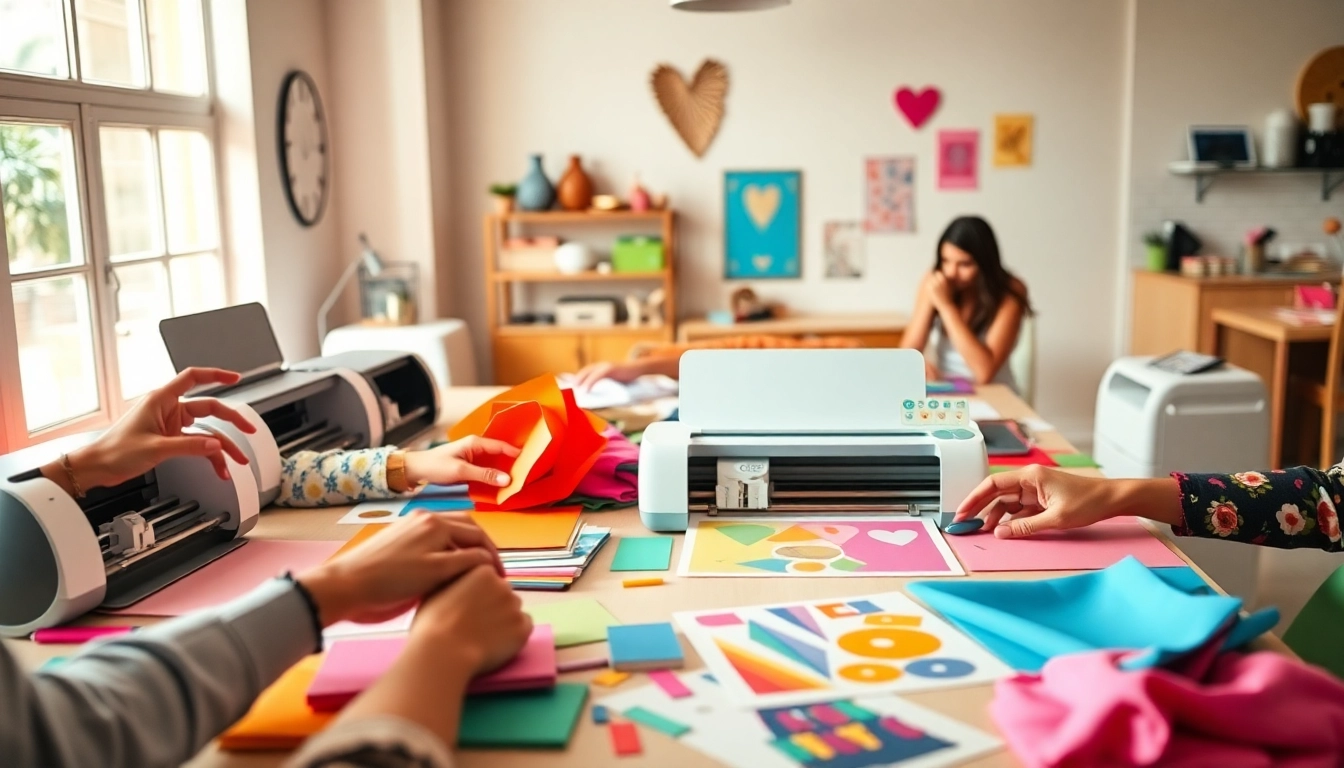
Understanding the Cricut Machine: A Beginner's Overview
For anyone venturing into the world of crafting and DIY projects, the Cricut machine stands out as an invaluable tool. With its ability to cut a diverse range of materials, including paper, vinyl, fabric, and even wood, the Cricut empowers creators to translate their ideas into reality with precision. This article will guide you through everything you need to know as a beginner, offering insight into the machine’s functionalities, essential tools, and project ideas that will ignite your creativity.
What is a Cricut Machine?
The Cricut machine is a cutting tool that utilizes computer software to create intricate designs. It operates similarly to a printer, but instead of printing ink onto paper, it cuts materials with remarkable accuracy. Whether you're crafting personalized stickers, home decor, or custom apparel, the Cricut offers an intuitive solution for crafters of all skill levels.
Key Features to Look for as a Beginner
- Ease of Use: The interface should be beginner-friendly, allowing you to create designs with minimal learning curve.
- Versatility: Look for a machine that can cut multiple materials, from paper to thicker substances like wood.
- Design Space Software: A robust software companion is essential for creating, editing, and managing your designs.
- Support and Community: Access to tutorials, resources, and a community of fellow crafters can significantly enhance your experience.
Common Questions About Cricut for Beginners
As you embark on your journey with Cricut, it’s natural to have questions. The Cricut for beginners section on various crafting websites can provide extensive answers, from machine recommendations to project inspiration.
Getting Started: Your First Steps with Cricut
Once you've chosen your Cricut machine, it’s vital to set it up correctly. This phase can significantly affect your crafting experience, so let’s dive into the details.
Essential Tools and Materials for Beginners
Besides your Cricut machine, there are several tools you’ll need to enhance your crafting experience:
- Cutting Mat: Different mats cater to various materials, such as light grip for paper and strong grip for thicker materials.
- Weeding Tools: These help remove excess material from your cut designs.
- Scissors: Useful for trimming any larger materials and making adjustments.
- Transfer Tape: Essential for applying vinyl designs smoothly without air bubbles.
Setting Up Your Cricut Machine
1. Unbox the machine and remove protective materials.
2. Connect your Cricut to your computer or smartphone via Bluetooth or USB.
3. Install the Design Space software. This software is where the magic happens; it allows you to create or customize designs before cutting.
Basic Software Overview and Installation
Design Space is user-friendly and provides templates, ready-to-use designs, and a wide array of fonts. After installation, familiarize yourself with the interface, and don't hesitate to explore tutorials available on the Cricut website and YouTube. The more comfortable you become with the software, the easier your crafting will be.
Beginner Projects: Simple Ideas to Try
As a beginner, starting with simple projects can help build your confidence and skills. Here are some ideas to kick off your Cricut journey.
Three Easy Cricut Projects for Newbies
- Personalized Stickers: Using adhesive vinyl, you can create custom stickers for labeling or decorating.
- Greeting Cards: Explore layering techniques to craft beautiful cards for any occasion.
- Tote Bags: Use heat transfer vinyl to add designs to fabric totes that you can use for shopping or gifts.
Step-by-Step Guide to Creating Your First Project
- Choose a design from Design Space or create your own.
- Select the material you’ll be cutting and load it onto the cutting mat.
- Set your machine to the correct settings for the material.
- Press “Go” and watch your Cricut work its magic!
Common Mistakes and How to Avoid Them
Many beginners experience mishaps that can discourage their crafting attempts. Common mistakes include:
- Incorrect material settings—always double-check your settings before cutting.
- Not adhering materials securely to the cutting mat—make sure your material is firmly in place.
- Skipping the weeding process—take your time weeding to ensure clean designs.
Best Practices for Crafting with Cricut
To ensure a seamless crafting experience, adopting best practices is essential. Here are some tips that every beginner should embrace.
Techniques for Successful Cuts and Designs
Utilize the right blade for your materials, ensuring that you replace it when it becomes dull. Always perform a test cut on a scrap piece before executing larger projects—this can save both materials and time.
Tips for Maintaining Your Cricut Machine
Taking care of your Cricut will prolong its lifespan. Regularly clean the blades and cutting mat, and store your machine in a dust-free environment when not in use. Also, keep the software updated to access the latest features and improvements.
Exploring Online Resources and Communities
Online platforms such as Facebook groups, Reddit communities, and dedicated crafting forums are excellent resources for beginners. Here, you can ask questions, share your projects, and find inspiration from other makers.
The Future of Cricut: Trends and Innovations for 2026
The world of crafting is always evolving, and Cricut is at the forefront of this change. Understanding upcoming trends can help you stay ahead in your crafting endeavors.
Upcoming Features and Tools for Beginners
New Cricut machines are set to offer advanced features like enhanced printing capabilities and improved cutting speeds. These developments will allow for even more intricate designs and quicker project completion, making crafting more enjoyable.
Emerging Trends in Cricut Crafting
As sustainability becomes a priority, expect to see more eco-friendly materials available for Cricut projects. Additionally, personalized gifts and home decor remain popular, allowing crafters to put a unique stamp on their creations.
Building Your Crafting Community Online
Engaging with crafting communities will become increasingly important as the trend for collaborative projects grows. You can attend virtual craft fairs and workshops that connect you to a global audience.