
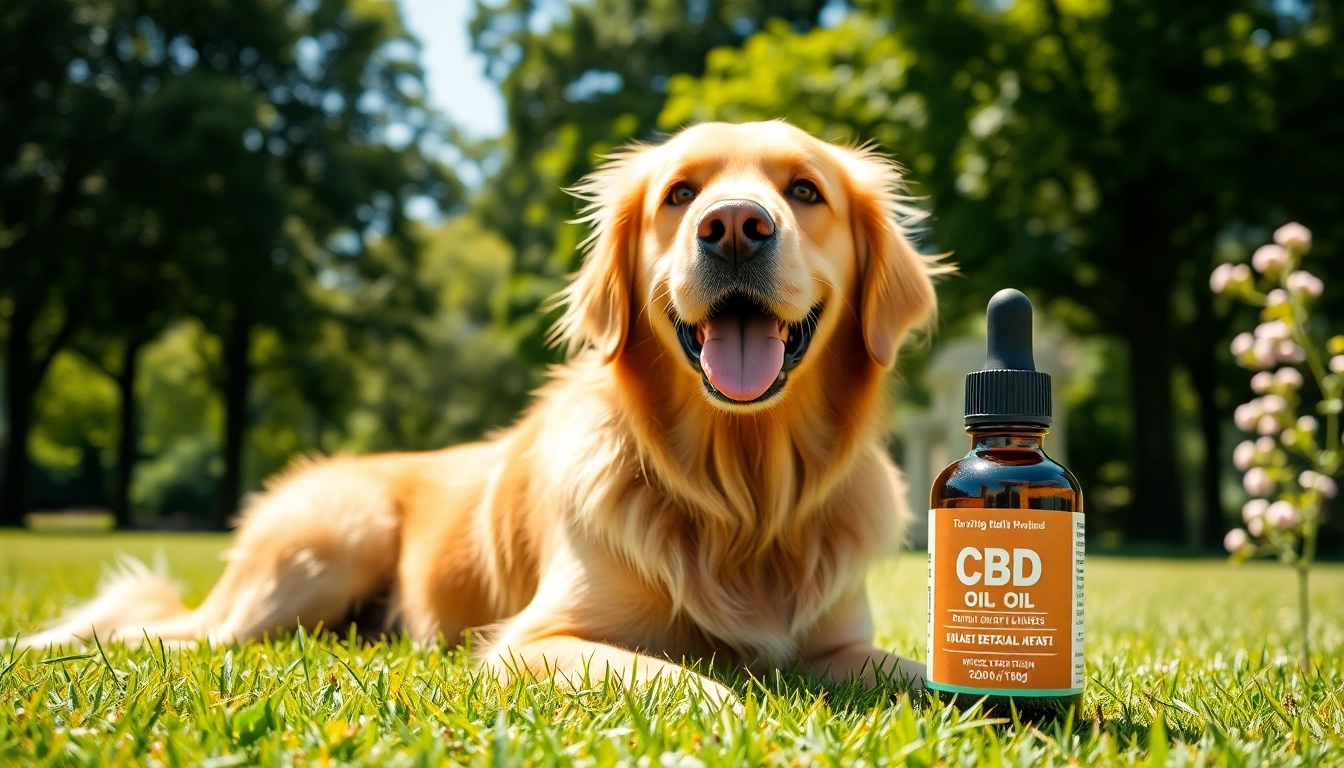
Understanding CBD Oil For Dogs
What is CBD Oil and How it Works
CBD oil, derived from the hemp plant, is a natural compound known for its therapeutic properties. Unlike THC, the psychoactive component of cannabis, CBD does not create a "high" effect. Instead, it interacts with the endocannabinoid system (ECS) in both humans and animals, including dogs. The ECS plays a crucial role in regulating various physiological processes such as pain perception, mood, appetite, and immune response.
The primary mechanism through which CBD works is by enhancing the signaling of endocannabinoids produced by the body. This interaction can lead to improved health outcomes, especially in areas such as inflammation, anxiety, and chronic pain management. When considering the use of CBD Oil For Dog, it is important to understand its origins and science to make informed decisions about its benefits for your canine companion.
The Science Behind CBD and Dogs
Research regarding the effects of CBD on dogs is still in its early stages, yet preliminary studies have yielded promising results. One notable study from a veterinary school revealed that CBD oil significantly reduced seizure frequency in dogs suffering from epilepsy. Furthermore, many dog owners report better overall health and happiness in their pets after incorporating CBD oil into their care routine.
Dogs possess a similar ECS to humans, which means they can experience the benefits of CBD oil. The cannabinoid receptors located in their brains and body tissues can modulate pain, emotions, and various physiological responses. Understanding these science-backed insights is essential for pet owners considering CBD oil for therapeutic use.
Legal Considerations for CBD Oil For Dogs
The legal status of CBD oil varies across different regions. Generally, legal CBD oil for pets must contain less than 0.3% THC to comply with federal regulations. However, states can impose more restrictive laws. It's crucial for pet owners to research the regulations specific to their area before purchasing or administering CBD oil. Ensuring that the product comes from reputable sources that adhere to legal guidelines is important for both quality and safety.
Health Benefits of CBD Oil For Dogs
Managing Anxiety and Stress in Dogs
Anxiety and stress are common issues found in dogs, often stemming from separation anxiety, noisy environments, or changes in their routine. CBD oil has been shown to have a calming effect, helping dogs to relax without sedating them. Pet owners have found that administering CBD oil before stressful situations, such as thunderstorms or vet visits, can significantly ease their dogs' anxiety levels.
Several case studies highlight the effectiveness of CBD oil in improving the quality of life for anxious dogs. Owners observed reduced signs of distress, such as excessive barking and destructive behavior, after consistent use of CBD oil. Moreover, CBD oil's anti-anxiety properties make it a valuable resource in behavioral therapies.
Reducing Inflammation and Pain
Many dogs experience chronic pain due to arthritis or injuries. CBD oil has anti-inflammatory properties that can alleviate pain and improve mobility in arthritic pets. Studies have indicated that CBD interacts with receptors in the brain to reduce inflammation, providing relief from discomfort. Regular use of CBD oil may enhance a dog's quality of life, allowing them to engage in activities they enjoy.
For pet owners looking for natural ways to manage their dog's pain, CBD oil has emerged as a promising alternative to traditional medication, offering a lower risk of side effects. Owners have reported noticeable improvements in their dogs' activity levels, pain management, and overall happiness.
Support for Seizure and Epilepsy Management
Epileptic seizures can be distressing for both dogs and their owners. CBD oil has gained recognition for its potential to reduce seizure frequency and severity. Available research indicates that CBD may stabilize electrical activity in the brain, preventing seizure episodes. This is particularly beneficial for dogs that do not respond well to conventional anti-seizure medications.
Several pet owners have documented success in managing their dogs' seizure conditions through consistent CBD oil administration. Regular monitoring and dosage adjustments, done in consultation with a veterinarian, can lead to enhanced seizure control and improved overall health.
Selecting the Right CBD Oil For Dogs
Types of CBD Oils Available
When shopping for CBD oil for dogs, pet owners will encounter various types: CBD isolate, full-spectrum CBD, and broad-spectrum CBD. Each type has different chemical profiles and benefits. CBD isolate contains pure CBD without any other cannabinoids or compounds, making it a safe option for dogs sensitive to THC. Full-spectrum CBD includes a range of cannabinoids, terpenes, and flavonoids, potentially enhancing its therapeutic effects through the entourage effect. Broad-spectrum CBD is similar to full-spectrum but with THC removed, catering to those seeking the benefits without the psychoactive component.
Understanding these differences is crucial for pet owners to select the best CBD oil that aligns with their dog's health needs.
Factors to Consider when Choosing Products
Quality is paramount when choosing a CBD oil for dogs. Pet owners should consider factors such as sourcing, extraction methods, and product transparency. Look for products made from organic hemp and extracted using CO2 methods, which are known to preserve the integrity of the cannabinoids. Additionally, examining topical labels for the concentration of CBD, ingredients, and potential additives will help ensure you provide your dog with a product that is safe and effective.
Another essential aspect is understanding your dog's specific condition and needs. Consult with a veterinarian knowledgeable about CBD to determine the most suitable product and formulation.
Importance of Third-Party Lab Testing
Third-party lab testing provides an unbiased assessment of a CBD product's quality and potency. Reputable brands will offer Certificates of Analysis (COAs) that confirm the cannabinoid profile, ensuring that the product is free of harmful substances like heavy metals, pesticides, and solvents. Pet owners should prioritize purchasing CBD oils that include third-party testing, as this adds an additional layer of safety and assurance regarding product efficacy.
How to Administer CBD Oil For Dogs Safely
Determining the Right Dosage
Finding the right dosage is critical for the successful use of CBD oil in dogs. Dosage can vary based on factors such as the dog's size, weight, and health condition. A general guideline is to start with 1-2 mg of CBD for every 10 pounds of body weight, gradually increasing as needed. Observing your dog’s response to the treatment will help in adjusting the dosage accordingly.
Consulting with a veterinarian can also provide tailored dosing recommendations, helping to maximize the therapeutic benefits while minimizing potential side effects.
Methods of Administration
CBD oil can be administered to dogs in various ways, including directly into the mouth, mixed with food, or applied to treats. For dogs that are difficult to medicate or if you want more accurate dosing, using a dropper can ensure you provide the correct amount. Mixing the oil with their favorite food can also encourage acceptance without raising suspicion.
Some products are formatted specifically for pets, such as CBD-infused treats or capsules, making administration easy for pet owners aiming to integrate CBD into their dogs’ diets.
Signs of Positive Response in Dogs
Monitoring changes in your dog's behavior and health following CBD oil administration is essential for determining its effectiveness. Positive responses can include decreased anxiety levels, improved mobility, reduced pain or inflammation, and increased overall happiness. Keeping a daily log of your dog's experiences can assist in identifying patterns and making informed adjustments to their CBD regimen.
Conclusion: Making Informed Decisions About CBD Oil For Dogs
Assessing Your Dog's Needs
Before introducing CBD oil into your dog’s routine, it is vital to assess your pet's individual needs and health status. Identifying specific issues, such as anxiety, pain, or other medical problems, will guide the decision-making process regarding the suitability of CBD oil.
Consulting with Veterinarians
Engaging with a veterinarian who understands CBD can provide invaluable insights about integrating it into your pet’s health plan. A professional can offer guidance on the right products and help monitor your dog's progress while on CBD oil, ensuring a safe and effective experience.
Monitoring Health Improvements Over Time
Once CBD oil has been introduced, pet owners should monitor their dog's progress closely. Tracking improvements or any adverse reactions will enable informed decisions about future dosages and treatment plans. With the right approach, CBD oil can be a powerful ally in enhancing your dog’s quality of life.