
Hidden https://indigoboxersndanes.com/ Dangers of Caring for Giant Breeds and How to Avoid Them
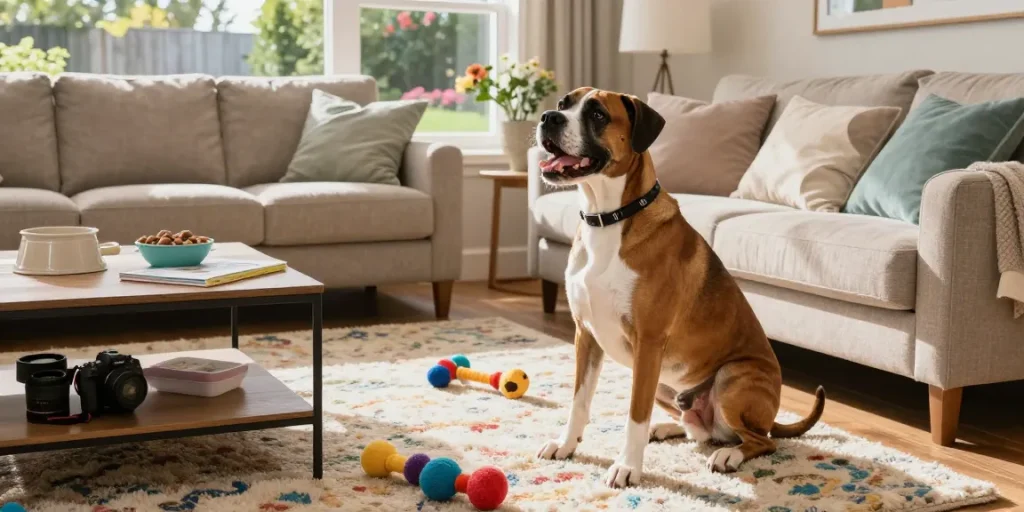
The Unique Needs of Great Danes and Boxers
When it comes to owning large dog breeds, understanding their unique requirements is vital for ensuring a happy and healthy pet. Great Danes and Boxers are both known for their impressive size and playful demeanor, but they also have specific needs that differ significantly from smaller breeds. From physical space considerations to dietary requirements, the responsibilities of caring for these majestic dogs can be overwhelming. For those looking to explore comprehensive insights into the nuances of owning such breeds, https://indigoboxersndanes.com/ provides valuable resources.
Understanding Size and Space Requirements
Great Danes and Boxers are not just large in size; they also require ample space to thrive. A typical Great Dane can stand anywhere from 28 to 34 inches tall at the shoulder, while Boxers usually range from 21 to 25 inches. Owners must consider their living environment: Do you have enough room for a big dog to move, play, and rest comfortably? Ideally, a home with a spacious yard offers the best environment for these breeds. However, if space is limited, regular trips to the park or open areas where they can stretch their legs are essential.
Feeding Guidelines for Giant Breeds
Feeding is a crucial aspect of caring for large breeds like Great Danes and Boxers. Their size necessitates a diet crafted specifically for giant dog breeds, which includes a higher protein content to support their growth and energy levels. Feeding schedules should also account for their size; larger dogs often require fewer, larger meals per day to avoid bloat—an often fatal condition if food is consumed too quickly. Owners should consult with their veterinarian to establish the right feeding regimen based on their dog’s age, weight, and activity level.
Health Risks Associated with Larger Dogs
With size comes certain health risks unique to large breeds. Great Danes are prone to conditions like hip dysplasia and cardiomyopathy, while Boxers can suffer from heart issues and certain cancers. Regular veterinary check-ups are essential to monitor your dog’s health proactively. Understanding the signs of distress or illness—such as lethargy, changes in appetite, or unusual behavior—can help you act swiftly in securing medical attention for your furry friend.
Common Behavioral Challenges
Large breeds like Great Danes and Boxers can exhibit unique behavioral challenges that require tailored training and socialization techniques. Understanding their temperament is key to fostering a well-adjusted dog.
Training Techniques for Boxers and Great Danes
Training is an essential part of owning a large dog. Both Boxers and Great Danes are intelligent breeds, but they can also be stubborn. Positive reinforcement techniques work best; these include rewards for good behavior and consistent commands. Early socialization is also crucial. Expose your dog to different environments, people, and other animals to reduce fear and anxiety. Consider enrolling in training classes designed specifically for large breeds to ensure your dog learns how to interact properly in various situations.
Socialization Tips for Large Breeds
Socialization is vital in the early stages of a dog’s life, especially for large breeds. Taking your Great Dane or Boxer to puppy training classes allows them to interact with other dogs in a controlled environment. Regular playdates with other dogs can also help them learn social cues and reduce aggression. Owners should always be vigilant, especially around smaller dogs, as a playful Boxer or Great Dane can inadvertently hurt a small animal.
Managing Energy Levels in Giant Dogs
Both Boxers and Great Danes have high energy levels; thus, regular exercise is essential. Boxers are particularly known for their exuberance and love of play, requiring daily walks, playtime, and mental stimulation to keep them happy. Great Danes, while slightly less energetic, still need significant exercise—aim for at least a couple of long walks every day. Incorporating games like fetch can also help manage their energy levels effectively.
Health Management and Wellness Tips
Maintaining the health and wellness of large breeds involves a comprehensive approach that includes preventive care and regular assessments.
Preventive Health Care for Giant Breeds
Routine preventive care is essential for large breeds. This includes vaccinations, regular vet check-ups, and dental care. Owners should be aware of the specific health screenings recommended for Great Danes and Boxers. For instance, both breeds benefit from regular heart health screenings due to their predisposition to specific heart-related issues. Supplements, like glucosamine, can also be beneficial in preventing joint problems.
Understanding Joint Health and Mobility
Joint health is a significant concern for giant breeds. As they grow, their bones and joints undergo immense stress, which can lead to long-term mobility issues. Owners should ensure their pets maintain a healthy weight to reduce strain on joints. Additionally, incorporating low-impact exercises, like swimming, can aid in maintaining their mobility without overburdening their joints.
Recognizing Signs of Distress and Illness
Large dog owners must be vigilant about their pets’ health. Recognizing common signs of distress—such as unusual lethargy, lack of appetite, or excessive panting—can lead to quicker diagnosis and treatment of illnesses. Keeping a health diary to track any changes can also be beneficial. If you notice any concerning behaviors, consult your veterinarian immediately to rule out serious conditions.
Building a Safe and Comfortable Home Environment
Creating a safe and comfortable environment is critical for the well-being of Great Danes and Boxers. Their unique needs should be prioritized when designing your living space.
Designing Your Space for Large Breeds
When setting up your home, prioritize wide pathways and open spaces. Furniture placement should allow for easy navigation, reducing the risk of injury. Consider investing in large, sturdy dog beds that can support your pet’s weight and size. Designate a space for food and water that is easily accessible to keep them hydrated and nourished throughout the day.
Essential Gear for Great Danes and Boxers
Large breeds require specific gear to ensure their safety and comfort. Harnesses are usually recommended over collars, as they distribute weight more evenly and prevent neck injuries. Additionally, large crates or kennels can help with training and providing a safe space for your dog when needed. Don’t forget toys designed for large breeds that can withstand their strength and chewing habits.
Creating a Stimulating Environment
A stimulating environment keeps your dog mentally and physically engaged. This can include puzzle toys, interactive games, or even agility courses in the backyard. Regular changes or rotations of toys can help maintain your dog’s interest and prevent boredom, which can lead to destructive behaviors.
Future Trends in Pet Care for Large Breeds
The landscape of pet care is constantly evolving, and new innovations are being developed to cater to the specific needs of larger breeds.
Innovative Products for Giant Dog Owners in 2026
By 2026, it is expected that the market for large dog products will expand significantly. Innovations could include tailored nutritional supplements focused on joint health and mobile applications that help owners track their dog’s activity levels, health milestones, and dietary needs. Enhanced pet technology—like automated feeders and advanced wearable health monitors—will provide more convenience and insight for owners.
Emerging Health Practices and Trends
As more research emerges, health practices for large breeds are likely to evolve. Expect a rise in integrative health approaches, combining traditional veterinary care with alternative therapies such as acupuncture and chiropractic treatments tailored for larger dogs. Owners will also have access to advanced genetic testing to help identify potential health issues before they manifest.
Community Resources and Support Networks
With the growing popularity of large breeds, community resources will become essential for support. Many regions will likely establish networks for large breed owners to share experiences, tips, and resources for training, health care, and socialization. Online forums and local clubs can provide invaluable support and camaraderie among owners of Great Danes and Boxers.