Understanding Cannabis: An Overview
Cannabis has become a focal point of interest in the wellness industry over recent years, as research continues to explore its myriad benefits. This plant has a long history of use, believed to date back thousands of years, and it contains various compounds that interact with the human body in remarkable ways. From alleviating stress to aiding sleep, understanding cannabis and its components can offer a clearer view of its potential in enhancing well-being. When exploring options, Cannabis FAQ provides comprehensive insights that demystify common queries surrounding this multifaceted plant.
What is Cannabis and its Components?
Cannabis is a genus of flowering plants that includes three primary species: Cannabis sativa, Cannabis indica, and Cannabis ruderalis. These plants produce numerous compounds, known as cannabinoids, terpenes, and flavonoids. The most commonly discussed cannabinoids in cannabis are tetrahydrocannabinol (THC) and cannabidiol (CBD). THC is the psychoactive component that produces the "high" associated with marijuana. In contrast, CBD is non-psychoactive and is often sought for its potential therapeutic benefits, such as reducing anxiety and promoting relaxation.
Types of Cannabis Products: An Introduction
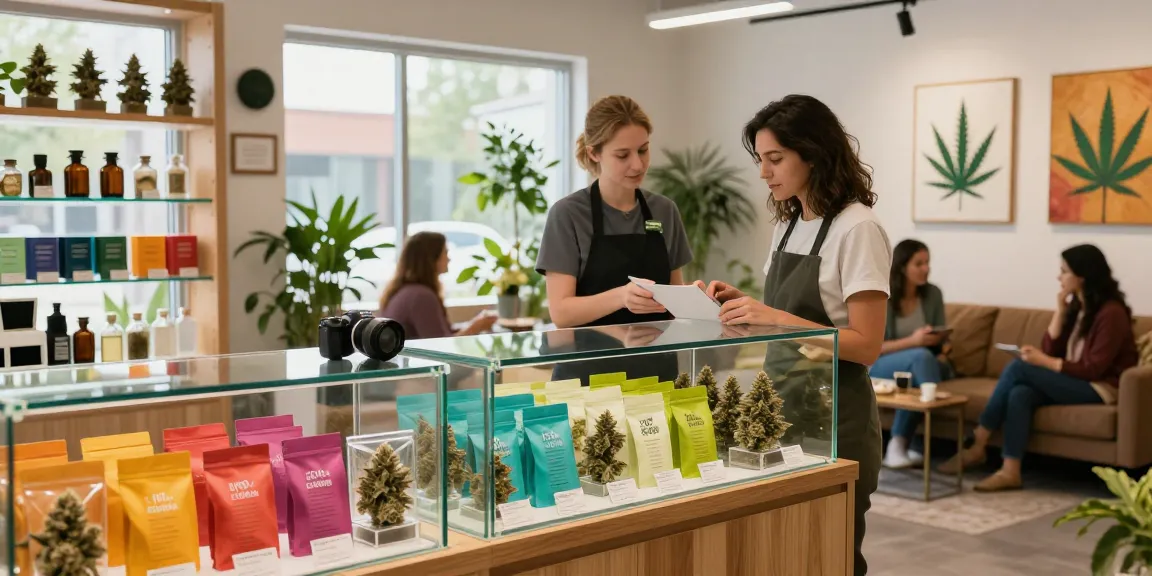
The cannabis market has expanded to include a diverse range of products, each offering unique methods of consumption and effects. Common forms of cannabis products include:
- Oils and Tinctures: Liquid forms that can be taken sublingually for quick absorption.
- Edibles: Food products infused with cannabis, which provide longer-lasting effects but have a delayed onset.
- Topicals: Creams and balms intended for external application, targeting pain and inflammation without psychoactive effects.
- Vape Products: Includes vape pens and cartridges, which allow users to inhale cannabis extracts in vapor form.
Key Differences between CBD and THC
One of the most critical aspects of cannabis is understanding the differences between CBD and THC. While both interact with the endocannabinoid system (ECS), they have distinctly different effects. THC binds to CB1 receptors in the brain, leading to euphoria and altered state of mind. Conversely, CBD interacts more indirectly with the ECS, lacking psychoactive properties and often resulting in feelings of calm and balance. This distinction is vital for users seeking specific benefits from cannabis products.
Health Benefits of Cannabis
Therapeutic Applications of CBD
The therapeutic potential of CBD is supported by a growing body of research. Initial studies suggest that it may help alleviate various conditions, including:
- Anxiety and Stress Management
- Chronic Pain and Inflammation Reduction
- Improvement of Sleep Quality
- Support in Post-Traumatic Stress Disorder (PTSD)
Ongoing clinical trials and anecdotal reports continue to highlight CBD's versatility as a natural remedy, highlighting its potential role as a vital component in personal wellness regimens.
How Cannabis Affects Mental Health
Cannabis has been examined for its effects on mental health, particularly through the lens of CBD. Research indicates that CBD may mitigate symptoms related to anxiety disorders, presenting a potential alternative to conventional medications with fewer side effects. However, it is essential to approach cannabis products with caution as strains high in THC can sometimes exacerbate anxiety or paranoia in susceptible individuals.
Potential Physical Health Benefits and Uses
Physical health applications of cannabis, particularly through CBD, may include the management of conditions like arthritis and muscle spasms, as well as providing support during cancer treatments. The anti-inflammatory properties of CBD may aid in the reduction of chronic pain by mitigating the inflammatory processes within the body.
Exploring Cannabis Products
Different Forms: Oils, Edibles, and Topicals
Understanding the various forms of cannabis is crucial for any potential user. CBD oils and tinctures often have a fast onset time and high bioavailability, allowing users to experience effects swiftly. Edibles, while convenient and enjoyable, have delayed effects due to metabolic processes, necessitating patience as the body digests them. Topicals are particularly advantageous for localized pain relief, as they provide targeted action without entering the bloodstream.
The Rise of Vaping: Advantages and Considerations
Vaping cannabis has surged in popularity due to its rapid onset and perception as a healthier alternative to smoking. Vaping products, such as cartridges filled with CBD or THC oil, allow users to inhale vapor rather than smoke, minimizing exposure to harmful byproducts. However, users must be cautious about the source and quality of vape products to avoid harmful ingredients and to ensure a positive experience.
Understanding Cannabinoid and Terpene Profiles
The effects of cannabis are influenced not only by cannabinoids but also by terpenes, the aromatic compounds responsible for the plant's scent and flavor. Each strain possesses a unique profile that may enhance or modify the experience due to the "entourage effect," where cannabinoids and terpenes work together to produce synergistic effects. Understanding these profiles can help users select the most suitable products for their desired outcomes.
Dosage and Usage Guidelines
How to Determine Your Ideal Dosage
Finding the right dosage of cannabis can be highly individualistic and often necessitates a start low and go slow approach. Factors such as body weight, tolerance, and the specific condition being addressed play significant roles in determining the suitable amount. A common strategy is to begin with a low dose, observe effects, and gradually increase until the desired benefits are achieved.
Safety Considerations When Using Cannabis
While cannabis is generally regarded as safe, it’s essential to be aware of potential side effects, including drowsiness, dry mouth, and gastrointestinal changes. Additionally, those taking medications, especially blood thinners or anti-seizure medications, should consult healthcare professionals before using cannabis products to avoid adverse interactions.
Adjusting Dosage for Therapeutic Benefits
User experience can guide dosage adjustments as individuals experiment to find their optimal levels. Factors such as time of day, method of consumption, and overall health will influence effectiveness. Regular check-ins with healthcare providers can also aid in determining if any adjustments are necessary to achieve therapeutic goals.
Quality Assurance and Legal Compliance
Importance of Third-Party Testing and COA
Purchasing cannabis products that undergo third-party testing is vital to ensure quality, purity, and safety. Certificates of Analysis (COAs) provide transparency regarding potency, cannabinoid composition, and the presence of contaminants like heavy metals or pesticides. Consumers should learn how to read COAs for the products they consider using.
Legal Status of Cannabis in 2026
The legal landscape surrounding cannabis continues to evolve. The 2018 Farm Bill legalized hemp-derived CBD products at the federal level, provided they contain less than 0.3% THC. However, state-specific regulations may vary widely, and users should stay informed about their local laws to ensure compliance. Regular updates and clear guidance are essential for consumers navigating this complex legal environment.
Choosing Reputable Brands: What to Look For
When choosing cannabis products, consumers should seek reputable brands that adhere to stringent quality control measures and possess organic certifications. Signs of a trustworthy brand include transparency about sourcing, detailed product descriptions, and customer reviews. Be wary of companies that make exaggerated health claims, as these can indicate a lack of accountability.
What Should You Know about Potential Drug Interactions?
Drug interactions are a crucial consideration when using cannabis. As cannabis interacts with the CYP450 enzyme system in the liver, it may affect how certain medications are metabolized. Individuals should consult their healthcare providers to discuss any current medications before incorporating cannabis into their routine.
Best Practices for Cannabis Storage and Shelf Life
To maintain the potency of cannabis products, proper storage practices are essential. Products should be kept in a cool, dark place to prevent degradation and avoid exposure to moisture, which can lead to mold growth. Understanding the shelf life based on product type is also crucial, with oils and tinctures typically lasting longer than edibles.
Frequently Asked Questions
What are the new cannabis rules in Texas?
As of 2026, Texas has implemented regulations regarding medical and recreational cannabis, allowing qualified patients access to specific products while maintaining restrictions on THC content. Monitoring ongoing legislative changes and local guidelines will be important for residents.
How long does cannabis stay good for?
The shelf life of cannabis products varies by type, typically lasting from several months to a couple of years. Proper storage can enhance longevity, with oils generally lasting longer than edibles.
Who should not take cannabis?
Certain populations, including pregnant and breastfeeding individuals, those with a history of substance abuse, and people with specific medical conditions, should avoid using cannabis without professional guidance. Consult with healthcare providers for personalized advice.
What are the current cannabis regulations in Maryland?
Maryland continues to evolve its cannabis regulations, with laws permitting both medical and recreational use under specified guidelines. Keeping up-to-date with any changes will help users remain compliant and informed about product availability.
Can cannabis help with sleep issues?
Cannabis, particularly CBD, is often sought for its potential to improve sleep quality. Many users report that it helps them fall asleep faster and stay asleep longer, although results may vary based on individual tolerance and the specific strains or products used.